What Are the Best FinTech Solutions for Small Businesses in 2025?
digital brain
About the idea
In 2025, the best fintech solutions for small businesses include digital payment systems like UPI, Stripe, and PayPal; AI-driven lending apps such as LendingKart and Kabbage; and cash flow management tools like Zoho Books, QuickBooks, and FreshBooks. These solutions empower SMEs with faster transactions, smarter funding, and better financial control making fintech no longer optional but essential.
Introduction: Why FinTech is a Game-Changer for SMEs in 2025
Small and medium-sized businesses are the backbone of the global economy. According to recent reports, SMEs account for 90% of all businesses and more than 50% of employment worldwide. Yet, they often face common challenges:
Delayed payments that disrupt cash flow.
Difficulty accessing credit from traditional banks.
High transaction fees when dealing with cross-border payments.
Complex accounting systems that eat into time and productivity.
This is where FinTech (Financial Technology) steps in. In 2025, the fintech industry is projected to cross $400 billion globally, with SMEs being the biggest adopters. From instant digital payments to AI-based loans, fintech is helping small businesses not just survive, but thrive in an increasingly digital-first world.
Let’s explore the best fintech solutions for small businesses in 2025 and how they’re transforming everyday operations.
What is FinTech and Why Does it Matter for Small Businesses?
FinTech is the use of technology-driven solutions to improve financial services such as payments, lending, banking, insurance, and investments.
For small businesses, fintech matters because it solves pain points that traditional banks and systems have long ignored:
Faster transactions: Get paid instantly through digital wallets or UPI instead of waiting days.
Affordable services: Many fintech apps charge less than banks for transfers or account management.
Data-driven insights: AI tools analyze spending and offer budgeting tips.
Access to funding: Loan apps provide quick working capital with minimal paperwork.
In short, fintech helps SMEs save time, cut costs, and compete with larger enterprises.
Best Digital Payment Solutions for SMEs in 2025
Getting paid on time is critical for SMEs. A single delayed invoice can disrupt payroll, vendor payments, or raw material purchases. Thankfully, digital payment solutions have simplified this process.
Here are the top payment solutions for small businesses in 2025:
Payment Solution
Best For
Key Features
Pros
Cons
UPI (India)
Local retail & services
Instant QR code & app-based transfers
Free, fast, widely used
Limited to Indian ecosystem
Stripe
Global e-commerce
Supports 135+ currencies, APIs for customization
Easy integration, subscription billing
Higher fees for cross-border payments
PayPal
Freelancers & exporters
Trusted globally, buyer protection
Strong dispute resolution
Currency conversion & withdrawal fees
Razorpay
Indian startups & SMEs
Payment gateway, payroll, subscription mgmt
End-to-end fintech stack
Slight learning curve for setup
Square
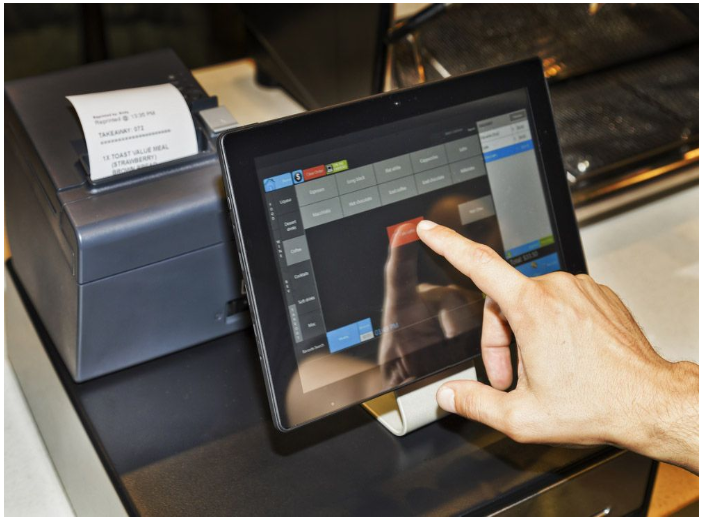
Retailers & cafés (US, EU)
POS hardware + software integration
All-in-one solution for small shops
Limited outside major markets
Mini Case Example: A boutique clothing store in Delhi uses Razorpay to accept UPI and card payments online, while a freelancer in Mumbai uses PayPal to invoice international clients.
The right platform depends on whether your business is local or global
How AI is Making Lending Faster and Safer for Entrepreneurs
Traditional lending is slow, paperwork-heavy, and biased toward big businesses. In contrast, AI-powered lending apps analyze data beyond credit scores — including sales patterns, digital transactions, and customer reviews.
Benefits of AI-driven lending for SMEs:
Faster approvals: Loans approved within hours instead of weeks.
Alternative credit scoring: Useful for new businesses with limited history.
Fraud detection: AI flags suspicious applications to reduce risk.
Popular AI lending apps in 2025:
LendingKart (India): Provides working capital loans for SMEs with minimal documents.
Kabbage (US): Offers lines of credit using AI analysis of business data.
Tala & Branch: Micro-loan platforms for small traders in emerging markets.
Example: A bakery with irregular seasonal sales can now get a loan from LendingKart within 24 hours, thanks to AI evaluating its daily UPI transactions.
Top 5 FinTech Apps Every Small Business Should Use in 2025
Running a business means juggling sales, payments, accounting, and compliance. The right fintech apps act as your virtual finance team.
Here are the top 5 apps SMEs must consider:
QuickBooks Online
Best for accounting, invoicing, and payroll.
Pricing: From $25/month.
Feature: Automated tax filing.
Zoho Books (India focus)
Best for GST-compliant accounting.
Affordable: Starts at ₹899/year for small businesses.
Feature: Bank reconciliation.
RazorpayX
Best for payment gateways + payroll.
All-in-one dashboard for SMEs.
Expensify
Best for expense management.
Automates receipts scanning via AI.
Google Pay (UPI)
Best for instant local transactions.
Free, widely adopted, and easy to use.
Together, these apps help businesses save time, stay compliant, and stay cash-positive.
How FinTech is Changing Traditional Banking for Entrepreneurs
Traditional banks still dominate, but fintech is reshaping expectations.
How fintech differs from banks:
Neobanks: 100% digital banks with zero branches.
Always available: Mobile-first, 24/7 service.
Lower costs: No hefty maintenance or withdrawal fees.
Smarter insights: Spending analysis and cash flow predictions.
Example: A startup founder can open a digital bank account in 15 minutes on a neobank app, while a traditional bank might take weeks.
For entrepreneurs, fintech offers speed and convenience, while banks still offer trust and legacy security.
Best FinTech Tools for Managing Cash Flow and Expenses
Cash flow is a make-or-break factor for SMEs. Fintech tools now make it easier to track, forecast, and optimize.
Top cash flow tools:
FreshBooks: Cloud accounting with project billing.
Wave: Free tool for invoicing and accounting.
TallyPrime: Widely used in India for compliance + advanced reporting.
Khatabook: Simple bookkeeping app for small traders.
Why they matter:
Prevent overdrafts.
Predict future expenses.
Ensure timely vendor payments.
FinTech vs Traditional Banks: Which is Better for Startups?
Criteria
FinTech
Traditional Banks
Speed
Instant approvals, 24/7
Slow, manual
Cost
Lower fees, affordable apps
Higher fees, hidden charges
Trust
Growing but newer
Strong legacy reputation
Suitability
Startups & SMEs
Large businesses, big loans
Verdict: Use both fintech for agility, banks for credibility.
The Role of Blockchain in Business Payments and Security
Blockchain is no longer a buzzword; it’s solving real SME problems.
Applications for SMEs:
Smart contracts: Automating supplier payments when terms are met.
Cross-border payments: Faster and cheaper than SWIFT.
Fraud prevention: Immutable transaction records.
Example: An Indian exporter can use a blockchain-based remittance platform to receive payments from a US buyer instantly, without losing 3–5% in bank charges.
Hidden Costs in FinTech Apps: What Small Businesses Should Watch Out For
Not all fintech is free. Entrepreneurs must read the fine print.
Bank-fintech partnerships: Expect more collaboration instead of competition.
By 2030, many SMEs may never need to step into a bank branch again.
Frequently Asked Questions (FAQs)
. What is the best fintech app for small businesses in 2025? QuickBooks for accounting and Razorpay for payments.
How does fintech help SMEs save money? Lower transaction fees, automation, and reduced paperwork.
Is fintech safer than banks? Yes modern apps use encryption, blockchain, and 2FA.
What are examples of fintech in India and the US? India: UPI, Razorpay, Paytm. US: Stripe, Square, PayPal.
Can fintech replace banks? Not fully. Banks still matter for large loans; fintech is best for daily use.
6. How will fintech evolve in 2025 and beyond? More AI, blockchain, and open banking innovations.
Conclusion
Want to simplify your business finances in 2025? Reach out to us for custom fintech solutions, integration, or expert consultation that helps your business grow smarter and faster.