How Can I Build a Multi-Vendor Grocery App and Earn Revenue
digital brain
About the Idea
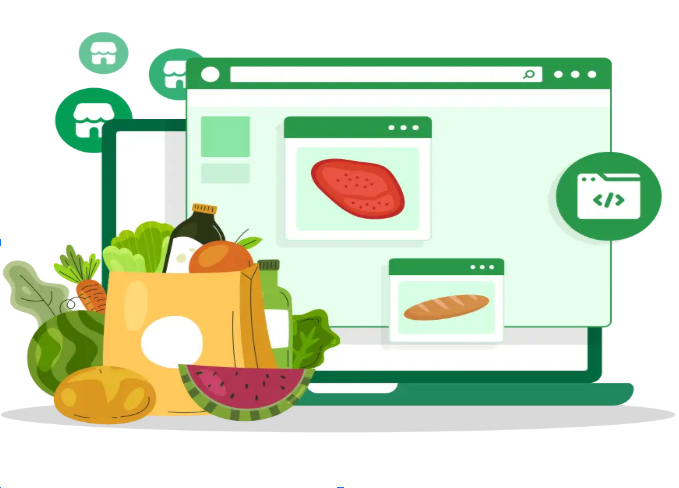
Think about your last grocery shopping. Long queues, crowded stores, missing items—it is stressful. A multi-vendor grocery app solves that problem. You can bring many small grocery shops, local vendors, and even big stores into one app. Customers open app, choose store, pick items, and get delivery.
Why start this business? Simple. Grocery is daily need. People always buy vegetables, milk, bread, eggs. Once your app is live, you get repeat orders every day. Even during weekends or holidays, people need groceries.
Also, shops want more customers. Many small vendors can’t do online delivery themselves. Your app helps them sell. Big apps like Instacart (USA), BigBasket (India), Zepto (India) made millions this way.
Common searches: “grocery delivery startup idea”, “how to start multi-vendor grocery marketplace”, “profit from grocery app”.
Revenue model from multi vendor grocery app
Revenue is the most important part. You can earn many ways. People search “grocery app revenue model” a lot.
Revenue Model
How It Works
Commission per order
Take 2–10% from each shop order.
Delivery fees
Charge small amount for delivery.
Ads & Promotions
Shops pay for top placement.
Subscription plans
Monthly fee from vendors for premium features.
Even small apps can make good money if many shops join and customers order daily.
Top Apps and Businesses
Looking at top apps helps beginners learn what works.
USA – Instacart, Shipt, Walmart Grocery. These apps make millions daily.
Europe –
Country
Top App
Note
UK
Ocado
Smart delivery system.
Germany
Gorillas
Fast delivery, lots of orders.
France
Carrefour Drive
Works with local stores.
India – BigBasket, Zepto, Blinkit.
People often search “top grocery delivery apps”, “best multi-vendor grocery app” before building their own. Seeing how these apps run teaches you about delivery, pricing, and user experience.
Future of Multi-Vendor Grocery Apps
Future is very bright. More people now prefer online delivery than going to store. AI and technology make apps smarter:
App can suggest items based on user history.
Predict stock needs for shops.
Optimize delivery routes for fast service.
Searches like “future of grocery delivery app”, “multi-vendor marketplace trends 2025”, and “AI grocery app features” show growing interest.
Business Models in Multi-Vendor Grocery App
Your app can work in different ways. You pick the model that fits your plan. Many search “grocery app business model” or “multi-vendor marketplace model” for ideas. Here are common ones:
Business Model
How It Works
Commission Model
Shops sell on your app. You take small % per sale.
Subscription Model
Shops pay fixed monthly fee to use your platform.
Delivery Partner Model
You control delivery. Shops just pack orders.
Hybrid Model
Mix of commission + subscription + delivery fee.
Example: Small-town grocery app uses commission. Big city app mixes commission and delivery control. Simple start is best for new owners.
Team Required for This Project
To make a strong multi-vendor grocery app, you need a team. People often search “team for grocery app development” or “roles in grocery delivery app project.” Here is the list:
Role
Work
Project Manager
Handle whole project, timeline, talk to clients.
UI/UX Designer
Make app look simple and easy to use.
Frontend Developer
Build app screen for users and shops.
Backend Developer
Make server, database, payment work.
QA Tester
Test for bugs, check smooth running.
Delivery/Logistics Expert
Plan delivery system and routes.
Marketing Specialist
Promote app to shops and customers.
Support Staff
Help shops and buyers when issues come.
Start with small team if budget is low. Add more when orders grow.
Development Cost and Country Comparison
Cost depends on where you build. Many search “grocery delivery app development cost” or “multi-vendor app cost India vs USA.” Here’s a simple table:
Country
Approx Cost (Web + App)
Note
USA
$80,000 – $150,000
High cost, top talent.
Europe
$50,000 – $100,000
Medium cost, good quality.
China
$25,000 – $60,000
Lower cost, fast delivery.
India
$15,000 – $40,000
Budget friendly, skilled teams.
If budget is tight, many choose India because developers are skilled, cost is low, and support is good. Always ask for previous work and clear plan before hiring.
Role of AI—20 Key Benefits
AI Benefit
How It Helps
Demand Forecasting
Predicts vendor stock needs.
Personalized Recommendations
Suggests products customers like.
Smart Pricing
Adjusts prices dynamically.
Fraud Detection
Identifies suspicious orders.
Route Optimization
Improves delivery speed.
Chatbots
Provides instant customer support.
Inventory Management
Alerts vendors about low stock.
Vendor Analytics
Shows vendors how to improve.
Upselling & Cross-Selling
Boosts order values.
AI-Powered Search
Makes finding items faster.
Delivery Time Prediction
Builds customer trust.
Churn Prediction
Keeps valuable customers engaged.
Trend Analysis
Helps plan future growth.
Smart Notifications
Sends useful, targeted alerts.
Quality Control
Flags unusual ratings or issues.
Sustainability Tracking
Reduces waste and improves routes.
Fraudulent Vendor Detection
Protects the marketplace.
Voice Ordering
Makes ordering easier.
AI-Driven Ads
Shows the right ads to the right users.
Sentiment Analysis
Finding a Reliable Development Partner
Choosing the right team is very important. Many search “best grocery app development company” or “hire grocery app developer.” Here’s simple comparison:
Aspect
Freelancer
Agency / Company
Cost
Low upfront
Medium to high
Skills
Varies
Full team with diverse skills
Timeline
May be slow
Faster, structured process
Support
Limited after delivery
Long-term maintenance available
Tip: For serious app, company is safer. They handle design, development, testing, and post-launch support.
Why Outsource to India
Many beginners wonder “why India for app development?” India is top choice because it is cheap, skilled, and flexible.
Factor
India
Other Countries
Cost
Lower, budget friendly
High cost in USA / Europe
Developer Pool
Large, skilled
Smaller, limited options
English
Widely spoken
Varies
Time Zone
Can overlap with global team
Less flexible
India gives quality work without breaking budget. That’s why many small startups and big businesses hire Indian developers.
Why Choose Digital Brain Media
Digital Brain Media is a team that makes your grocery app simple and successful. People often search “best grocery app development agency” or “top multi-vendor app developer.”
Here is why you can trust them:
Clear milestones and progress updates.
Experienced team in mobile app development, cloud apps, support & maintenance.
Proven process: discovery, prototype, agile development, testing, launch, and marketing.
They guide shops to join app, help with analytics, and make growth easier.
Starting with a trusted team reduces stress, saves time, and keeps your app professional.
FAQs – Multi-Vendor Grocery App
What is a multi-vendor grocery app? It is an app where many grocery shops sell their products in one place. Customers can browse shops, compare prices, and order for home delivery. You provide the platform, shops sell, and you earn commission or fees.
How do multi-vendor grocery apps make money? They earn through commission on each sale, delivery fees, ads or promotions from shops, subscription plans for premium features, and sometimes by selling anonymized market insights to brands.
Which are the top multi-vendor grocery apps? In USA, Instacart, Shipt, and Walmart Grocery are popular. In Europe, Ocado (UK), Gorillas (Germany), and Carrefour Drive (France) lead the market. In India, BigBasket, Zepto, and Blinkit are top apps.
What are the main business models for grocery apps? The aggregator model lets shops handle delivery and you take commission. Marketplace model lets you manage payments and delivery while shops list products. Hybrid model combines your own inventory with external vendors. Subscription boxes deliver curated grocery packs regularly.
How much does it cost to develop a grocery app? Costs vary by country and features. In the USA, it can be $80,000 – $150,000; Europe $50,000 – $100,000; China $25,000 – $60,000; India $15,000 – $40,000.
What team do I need to build a grocery app? You need a project manager, UI/UX designer, frontend and backend developers, QA tester, delivery/logistics expert, marketing specialist, and support staff.
Should I hire a freelancer or an agency? Freelancers are cheaper but may lack long-term support. Agencies provide full teams, post-launch maintenance, and faster delivery. Hiring a trusted agency reduces risk and gives better res
Final Thoughts
A multi-vendor grocery app is more than just another tech trend—it’s a smart business opportunity built around daily essentials. People will always need groceries, and by connecting local vendors, small shops, and big stores on a single platform, you create convenience for shoppers and growth for sellers.
The future is strong: AI-powered features like smart recommendations, route optimization, and demand forecasting make these apps faster, smarter, and more profitable. With the right revenue model, a skilled development team, and a trusted partner like Digital Brain Media, even small startups can compete with big names like Instacart, BigBasket, or Zepto.
If you start small, choose the right business model, and focus on quality service, your grocery marketplace can scale quickly. The demand is growing every day—now is the perfect time to act and turn this idea into a sustainable business.
References
Statista – Online grocery market size and growth projections: https://www.statista.com
Instacart Official Blog – Company insights and business model: https://www.instacart.com/company
BigBasket Investor Reports – Growth and market presence: https://www.bigbasket.com
Ocado Group – UK grocery e-commerce insights: https://www.ocadogroup.com
Gorillas Official Site – Fast grocery delivery model in Europe: https://gorillas.io
Quora – Questions and answers about grocery apps: https://www.quora.com/topic/Grocery-Delivery-Apps
TechCrunch / Business Insider – Trends in multi-vendor grocery marketplaces.