
Introduction
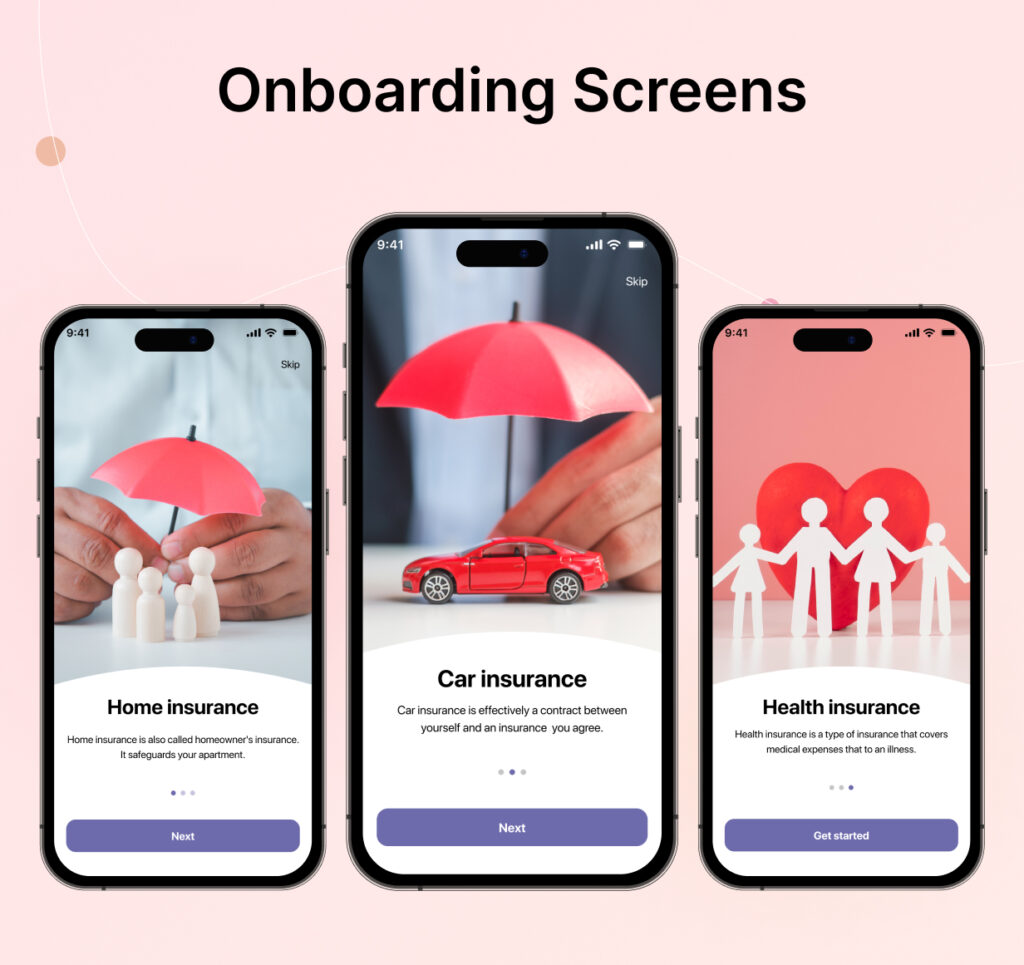
Why You Should Start Your InsurTech App Today
1. Market Overview
The telemedicine industry has seen explosive growth in recent years, driven by technological advancements, rising healthcare costs, and an increased demand for accessible, on-demand medical services. Here’s a detailed overview of the current telemedicine app development market:
📈 Global Market Size & Growth
Market Size (2024): Estimated at $130 billion globally.
Projected Growth: Expected to reach $280 billion by 2030, growing at a CAGR of 12–15%.
Key Drivers:
Post-COVID digital health adoption
Growing prevalence of chronic diseases
Increased smartphone and internet penetration
Supportive government policies and insurance reimbursements
🌍 Regional Insights
Region Market Highlights
North America Largest market due to advanced healthcare infrastructure and early tech adoption
Europe Rapid adoption in UK, Germany, France due to aging population and public health support
Asia-Pacific Fastest-growing market (India, China, Japan) due to large population and mobile health access
Middle East & Africa Emerging adoption, driven by rural healthcare needs and investment in mobile health
👥 Key Stakeholders
Hospitals and Clinics
Individual Practitioners
Startups and HealthTech Companies
Insurance Providers
Governments and NGOs
💡 Popular Telemedicine App Features in Demand
Video/Audio Consultations
Electronic Health Records (EHR)
Appointment Booking
In-app Chat and Messaging
Digital Prescriptions
Payment Gateway Integration
Remote Patient Monitoring (RPM)
🔥 Top Telemedicine App Examples
Teladoc Health
Amwell
MDLIVE
Practo (India)
Doctor on Demand
📊 Market Challenges
Data privacy & HIPAA/GDPR compliance
Licensing & cross-border regulations
Internet access in remote areas
Technological literacy among older populations
✅ Opportunities Ahead
AI-powered diagnosis and triage
Wearable integration and IoT health monitoring
Mental health and behavioral therapy apps
Specialized care (e.g., dermatology, pediatrics, women’s health)
2. Key Trends and Drivers
3. Challenges and Opportunities
As telemedicine continues to transform global healthcare, it’s important to recognize both the challenges developers and healthcare providers face—and the opportunities they can seize. Building a successful telemedicine app requires navigating technical, regulatory, and user-experience hurdles, but the potential rewards are vast.
🚧 Challenges in Telemedicine App Development
1. Data Security and Privacy
Challenge: Handling sensitive patient data requires compliance with strict regulations like HIPAA (USA) or GDPR (EU).
Risk: Any breach of privacy can result in legal actions, loss of trust, and heavy penalties.
Solution: End-to-end encryption, secure cloud storage, multi-factor authentication.
2. Regulatory Compliance
Challenge: Different countries (and sometimes regions within countries) have varying telehealth laws and medical licensing requirements.
Example: A doctor licensed in one state or country may not be allowed to consult in another.
Solution: Include geo-based access controls and consult legal teams for localization.
3. User Adoption and Digital Literacy
Challenge: Older adults or people in rural areas may struggle to use tech-heavy platforms.
Solution: Focus on simple UI/UX, local languages, and guided tutorials.
4. Poor Internet Connectivity
Challenge: Real-time video consultations require stable internet—often lacking in remote areas.
Solution: Include low-bandwidth modes, offline features, or asynchronous chat support.
5. Integration with Legacy Systems
Challenge: Hospitals and clinics still rely on outdated systems that may not integrate smoothly.
Solution: Use standard APIs and ensure compatibility with widely used EHRs.
6. Medical Liability and Misdiagnosis
Challenge: Limited physical examination increases the risk of errors.
Solution: Define clear use cases, disclaimers, and integrate with diagnostic tools like wearable data or symptom checkers.
🌟 Opportunities in Telemedicine App Development
1. Serving Remote and Underserved Areas
Opportunity: Reach patients with no access to physical clinics or specialists.
Value: Boosts healthcare equity and can save lives through timely intervention.
2. Specialized Telehealth Services
Examples:
Telepsychiatry
Pediatric care
Dermatology
Women’s health
Opportunity: Niche telemedicine platforms are growing fast and face less competition.
3. AI-Powered Healthcare Tools
Opportunity: Integrate AI for early detection, virtual triage, and medical chatbots.
Benefit: Reduces doctors’ workload and improves diagnosis accuracy.
4. Insurance and Employer Partnerships
Opportunity: Collaborate with insurance firms or large employers to offer telehealth as a benefit.
Result: A ready, paying user base with high usage potential.
5. Global Expansion and Cross-Border Healthcare
Opportunity: Tap into medical tourism or offer second opinions from international experts.
Trend: Many patients seek better or more affordable care beyond their borders.
6. Wearable and IoT Integration
Opportunity: Use data from smartwatches, fitness trackers, and home diagnostic kits.
Impact: Enables real-time monitoring and proactive healthcare delivery.
📊 Challenges vs. Opportunities Summary
| Challenges | Opportunities |
|---|---|
| Data security & compliance | AI-driven care & automation |
| Cross-border licensing issues | Specialized care services |
| Low internet & device access | Serving remote or rural populations |
| Patient engagement & digital literacy | Growing wearable and IoT ecosystem |
| Integration with old systems | New revenue models via insurance & partnerships |
4. Key Features Shaping the Future
As telemedicine becomes a core part of healthcare delivery, the success of any telemedicine app will rely on a powerful set of features that address both clinical and patient needs. Below are the key features that are shaping the future of telemedicine platforms and ensuring better care, engagement, and scalability.
🧩 1. Real-Time Video and Audio Consultation
Why it matters: Enables face-to-face interaction between doctors and patients, building trust and allowing visual assessments.
Future-ready trend: HD-quality video with low-latency streaming and adaptive bitrate for poor networks.
💬 2. Multi-Channel Communication (Chat, Voice, Video)
Why it matters: Patients expect flexibility in how they connect with doctors—some prefer chat, others want video.
Advanced feature: Asynchronous messaging with automated follow-ups or symptom checkers.
📅 3. Smart Appointment Scheduling
Why it matters: Reduces no-shows and manages doctor availability efficiently.
Modern add-ons: AI-powered slot recommendations, calendar syncing, and SMS/email reminders.
🧾 4. E-Prescription and Medicine Ordering
Why it matters: Doctors can send prescriptions digitally, and patients can order meds through partnered pharmacies.
What’s next: Integration with e-pharmacy APIs for instant home delivery.
📂 5. Electronic Health Record (EHR) Integration
Why it matters: Gives doctors a full view of the patient’s medical history, lab results, and past consultations.
Smart future: Blockchain-secured EHR sharing between hospitals, labs, and specialists.
💳 6. Secure Payment Gateway
Why it matters: Patients need easy, safe ways to pay—UPI, credit/debit cards, wallets, or insurance claims.
Upcoming trend: Auto-billing and subscription-based healthcare plans.
🧠 7. AI-Based Symptom Checker
Why it matters: Helps triage non-emergency cases and guide patients to the right specialist.
Future focus: Personalized health recommendations based on user history and behavior.
📱 8. Remote Patient Monitoring (RPM)
Why it matters: Connects to wearables and IoT devices to track vitals like heart rate, BP, glucose, etc.
Growth driver: Chronic disease management, elderly care, and post-operative follow-ups.
🔐 9. End-to-End Data Encryption & Compliance
Why it matters: Healthcare data is highly sensitive; apps must comply with HIPAA, GDPR, or local privacy laws.
Advanced layer: Role-based access controls, consent management, and real-time data breach alerts.
🌍 10. Multilingual & Regional Support
Why it matters: In diverse countries like India or Africa, offering local language support boosts user adoption.
Emerging feature: Voice-to-text translation and AI-based multilingual chatbots.
🧑⚕️ 11. Doctor and Hospital Dashboard
Why it matters: Doctors and administrators need tools for managing appointments, reviewing cases, and analyzing reports.
Pro feature: Analytics dashboard with patient outcomes, wait times, and treatment success rates.
🔄 12. EMR and Lab Integration
Why it matters: Seamless coordination with labs and diagnostic centers speeds up treatment.
Trend to watch: Real-time lab results and AI analysis of diagnostic reports.
5. Benefits of Using TELEMEDICINE
1. Convenience and Time Savings
No need to travel, wait in clinics, or take time off work.
Get medical advice from the comfort of home, office, or even while traveling.
2. Access to Specialists
Patients in remote or rural areas can connect with specialists who may not be locally available.
Reduces health disparities across regions.
3. Faster Medical Attention
Quick access for non-emergency issues like flu, skin rashes, mental health consultations, etc.
Ideal for follow-ups and medication management.
4. Lower Healthcare Costs
Saves money on transportation, childcare, and missed workdays.
Many telehealth visits are cheaper than traditional in-person appointments.
5. Better Chronic Disease Management
Remote monitoring of conditions like diabetes, hypertension, and asthma improves health outcomes.
Wearables and IoT devices allow doctors to intervene early if something goes wrong.
6. Improved Mental Health Access
Anonymity and comfort encourage more people to seek therapy or counseling.
Useful for anxiety, depression, stress, and behavioral health.
🩺 Benefits for Healthcare Providers
1. Wider Patient Reach
Doctors can serve more patients, including those outside their city or country.
Increases service availability and builds reputation across geographies.
2. Higher Appointment Efficiency
Automated scheduling, digital records, and remote consultations reduce operational burden.
No waiting room management or late arrivals.
3. Increased Revenue Opportunities
Monetize consultations with flexible pricing, subscriptions, or partnerships with insurers/employers.
Reduce no-show rates and downtime between patients.
4. Access to Health Data and Analytics
Digital platforms offer real-time health insights, treatment tracking, and AI recommendations.
Helps in better decision-making and personalized care.
🏥 Benefits for the Healthcare System
1. Reduced Hospital Overcrowding
Keeps non-emergency patients out of ERs and clinics.
Improves care for critical patients by freeing up physical resources.
2. Efficient Resource Utilization
Optimizes doctor hours, staff time, and infrastructure usage.
Reduces administrative paperwork via digital documentation.
3. Pandemic-Resilient Healthcare
During outbreaks like COVID-19, telemedicine supports contactless care.
Build Your Digital Presence Today!
6. Business Adoption of telemedicine
As healthcare becomes more consumer-centric and technology-driven, businesses—ranging from startups to large enterprises—are increasingly adopting telemedicine solutions. This shift is not only transforming healthcare delivery but also creating profitable, scalable opportunities for companies operating in the digital health space.
🏢 Why Businesses Are Adopting Telemedicine
1. Rising Market Demand
Patients now expect remote access to healthcare, much like they do with banking, shopping, or education.
Businesses that offer telemedicine solutions cater to a growing global user base demanding convenience and real-time care.
2. Post-Pandemic Healthcare Shift
COVID-19 normalized virtual care across all age groups and demographics.
Telemedicine is no longer an optional service—it’s a strategic necessity for modern healthcare providers.
3. Faster ROI with Scalable Tech
Digital health platforms offer low infrastructure costs, fast deployment, and easy scalability.
Startups can launch niche telemedicine services with minimal upfront investment and tap into global markets.
4. Competitive Differentiation
Clinics and hospitals that adopt telemedicine gain a competitive edge in terms of patient reach, convenience, and satisfaction.
Businesses that don’t innovate risk falling behind.
🏥 How Different Businesses Are Adopting Telemedicine
🩺 1. Hospitals and Clinics
Use case: Offer virtual consultations, remote second opinions, and follow-ups.
Result: Reduced patient wait times, lower overhead, and better patient retention.
🧑⚕️ 2. Private Practitioners
Use case: Independent doctors use apps to maintain virtual clinics.
Result: Increased flexibility and ability to serve patients beyond their geographic location.
💼 3. Corporates & Employers
Use case: Provide telemedicine as part of employee wellness programs.
Result: Reduced sick leaves, improved productivity, and higher employee satisfaction.
🚀 4. Startups & Entrepreneurs
Use case: Build niche telehealth platforms (e.g., dermatology, mental health, pediatrics).
Result: Tapping into underserved markets with fast MVPs and monetizable services.
🏢 5. Insurance Companies
Use case: Integrate teleconsultations into health insurance packages.
Result: Lower claim ratios, faster processing, and added value for policyholders.
💰 Revenue Models in Telemedicine Business
| Model | Description |
|---|---|
| Pay-per-consultation | Patients pay a fixed fee for each virtual visit. |
| Subscription-based | Monthly/annual plans for unlimited consultations or family care packages. |
| SaaS for Providers | Clinics pay a monthly fee to use the telemedicine platform. |
| Freemium + Premium | Basic features for free; advanced features behind a paywall. |
| B2B Partnerships | Partner with employers, hospitals, or insurance companies for bulk licensing. |
📈 Adoption Growth Insights
70% of US hospitals now offer some form of telehealth service.
In India, telemedicine adoption grew by 300% post-COVID, especially among tier 2 & 3 cities.
Over 60% of employers globally are including virtual health in employee benefits.
🧠 Business Adoption Benefits
| Benefit | Impact |
|---|---|
| Faster time-to-market | MVPs can launch in weeks with ready-made frameworks. |
| Low operational costs | No need for physical infrastructure or large staff. |
| Wider customer reach | Serve patients beyond geographic limitations. |
| Revenue diversification | Add virtual services to traditional in-clinic revenue. |
| Better analytics & engagement | Track patient behavior and improve services. |
7. The Future of Telemedicine
Telemedicine has rapidly evolved from a backup solution during the pandemic to a permanent pillar in global healthcare. With continuous advancements in technology, rising patient expectations, and expanding healthcare needs, the future of telemedicine promises a smarter, more personalized, and more inclusive healthcare experience.
🚀 1. AI-Powered Diagnostics and Virtual Assistants
What’s coming: AI will play a larger role in triaging patients, predicting diseases, and supporting diagnosis.
Impact: Faster, more accurate consultations—especially for common illnesses and chronic conditions.
Examples: Chatbots for symptom checking, AI for reading X-rays, ECGs, or skin conditions.
🌐 2. Global Healthcare Access
Telemedicine will break geographic barriers, allowing patients to consult with global experts.
Medical tourism will go digital, with patients seeking second opinions or specialist care from other countries via video consultations.
📱 3. Wearables & IoT Integration
Smartwatches, fitness trackers, and home diagnostic tools will automatically send patient data (heart rate, glucose, blood pressure) to healthcare providers.
Remote Patient Monitoring (RPM) will become standard for chronic disease management and elderly care.
🧠 4. Personalized & Predictive Healthcare
AI and data analytics will enable tailored treatment plans based on lifestyle, medical history, and genetics.
Apps will evolve from reactive care to predictive wellness, warning users of health risks before symptoms appear.
🏥 5. Hospital-at-Home Models
Advanced telemedicine platforms will support in-home care with nurse visits, remote monitoring, and virtual check-ins.
Reduces hospital overcrowding and lowers costs for both patients and providers.
🔐 6. Greater Focus on Privacy and Interoperability
Data security will become even more critical as more patient information is digitized.
Governments and platforms will work toward interoperable health systems where EHRs, labs, pharmacies, and apps talk to each other seamlessly.
💼 7. Corporate and Employer-Driven Adoption
Businesses will continue to integrate telemedicine into employee wellness programs, offering 24/7 access to healthcare and mental health services.
Insurance companies will increasingly cover telehealth as part of standard health plans.
🧑⚕️ 8. Rise of Specialized Telemedicine Platforms
Platforms focused on specific niches like:
Mental health (telepsychiatry, online therapy)
Women’s health (fertility, pregnancy, PCOS)
Dermatology, pediatrics, physiotherapy, and more.
These apps will offer deep, targeted features and high-quality virtual experiences.
8. Choosing the Right Telemedicine
9. Embracing the Telemedicine Advantage
Implementing an LMS can transform your organization’s learning and development landscape. By providing accessible, engaging, and data-driven learning experiences, you can empower your employees, boost knowledge retention, and ultimately drive business success.
10. Unlocking Business Success with Online Learning Management Systems (LMS)
- Employee Skill Enhancement:
LMS platforms empower businesses to provide continuous training and upskilling opportunities for employees. By offering a diverse range of courses, organizations can ensure that their workforce remains adaptable, acquiring new skills that align with evolving industry trends. - Cost-Efficient Training:
Traditional training methods often incur significant costs for materials, venues, and travel. LMS platforms eliminate these expenses by providing a centralized, online training hub. Businesses can deliver cost-efficient training programs while ensuring consistency and scalability. - Global Accessibility:
With LMS, geographical constraints are no longer a barrier. Businesses can extend training programs to employees worldwide, fostering a globally skilled workforce. This accessibility promotes consistency in knowledge across diverse teams and locations. - Compliance and Certification Management:
Ensuring compliance with industry regulations and standards is critical. LMS platforms enable businesses to efficiently manage and track employee certifications and compliance training. This not only reduces the risk of non-compliance but also simplifies auditing processes. - Adaptability to Change:
In dynamic business environments, adaptability is key. LMS allows organizations to swiftly implement training programs that address emerging trends, technological advancements, or changes in industry regulations. This adaptability ensures that employees stay ahead of the curve. - Enhanced Employee Engagement:
Interactive and engaging content within LMS platforms enhances employee participation and retention. Features like quizzes, discussion forums, and multimedia resources create a more dynamic learning experience, leading to improved knowledge retention and application. - Talent Development and Retention:
Offering continuous learning opportunities through LMS demonstrates a commitment to employee growth. This commitment not only attracts top talent but also contributes to employee retention, as individuals are more likely to stay with organizations that invest in their professional development. - Customized Learning Paths:
LMS platforms allow businesses to create personalized learning paths for different roles or departments. Tailoring content to specific job functions ensures that employees acquire skills directly applicable to their roles, maximizing the impact of training on job performance. - Data-Driven Decision-Making:
LMS platforms provide valuable data and analytics on employee performance and engagement. Businesses can leverage this data for informed decision-making, identifying areas of improvement in training programs and addressing specific skill gaps within the organization. - Competitive Advantage:
Organizations that prioritize continuous learning and development gain a competitive edge.
Conclusion
In summary, the adoption of Online Learning Management Systems is a strategic investment that not only enhances employee skills but also contributes significantly to the overall success and competitiveness of businesses in today’s dynamic market.
Recent post
Table of Contents




Book your consultation now
Related Articles